


If something on your site is not working properly, you may be considering whether to hire a WordPress plugin developer. Some issues are quick to fix, while others come from deeper plugin or theme interactions. This guide walks you through the signs so you can decide what makes sense for your situation.
Why plugin and theme issues can be harder to diagnose
Plugin and theme behaviour sits at the heart of how a WordPress site works. A small update or conflicting feature can create symptoms that seem unpredictable or unrelated to where the problem began.
Plugins add features. Themes shape the layout and structure. When either changes, different parts of the site can react in ways that are not always straightforward to trace.
A bookings plugin might stop saving settings after an update. A theme might not support the layout you expected. Two plugins might quietly clash, each relying on WordPress in slightly different ways.
These issues can return even after switching settings or deactivating tools, because the underlying cause is not always visible. This is often when people start searching for WordPress plugin developers or WordPress theme developers who can look beneath the surface and understand how everything connects.
When the real cause sits beneath the surface, small fixes rarely last. That’s when deeper plugin or theme expertise makes the difference.
Common signs include:
- features that work one day and fail the next
- settings that refuse to save
- layouts breaking after plugin updates
- forms, payments, or bookings behaving inconsistently
- areas of the site slowing down without warning
Trying lots of small fixes can make things harder, so it helps to know where the real limits are.
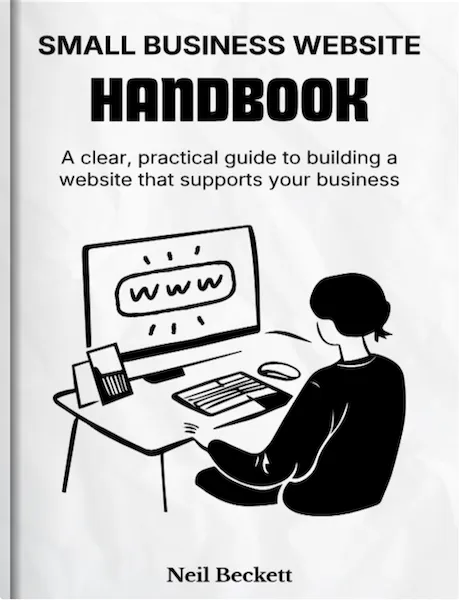
A practical resource where I explain how to think clearly about your website, so it feels easier to manage and better aligned with the way your business actually works.
Common situations where a specialist can help
There are times when plugin or theme limits get in the way of what your site needs to do. A specialist can assess what is possible, diagnose the cause, and extend your setup safely. This is especially helpful when issues follow familiar patterns in plugin-heavy sites, where several tools are trying to handle similar tasks behind the scenes.
Typical examples include:
A plugin that does most of what you need, but not everything
Small-business sites often reach a point where a tool comes close but cannot quite deliver a specific behaviour. You may want a booking rule, a conditional form field, or a membership option that the plugin does not offer by default. Adding more tools to fill the gap can introduce conflicts. A specialist can often extend what you already have without replacing it.
A plugin that comes close to what you need is often easier to extend than to replace, especially when adding more tools risks new conflicts.
Plugins that do not cooperate as expected
Integrations between forms, payments, or CRM tools sometimes need custom adjustments. A plugin WordPress developer can identify where the friction sits and fix it without affecting the rest of the site.
A theme stopping you from achieving a layout you need
Themes have built-in limits. Some cannot support certain page structures or custom blocks. A developer who understands themes can adjust templates or remove restrictions without forcing a full rebuild.
Performance or reliability dropping after new features are added
Extra functionality has a cost. A specialist can highlight what is slowing your site down and whether a simpler, cleaner approach is possible.
These are issues where general WordPress support may struggle because the cause sits deeper than settings or basic configuration. At this point, you often need someone who understands how plugins and themes work beneath the surface.
When a general WordPress developer is usually enough
Not every problem needs specialist work. Many everyday issues can be fixed through settings, updates, or smaller adjustments carried out by a dedicated WordPress developer or support specialist.
Examples that usually do not require deep plugin or theme expertise include:
- broken links or missing images
- simple layout or spacing issues
- minor styling adjustments
- plugin updates that fail once but work on retry
- basic form or menu changes
- adding common, well-supported plugins
If the issue sits in the dashboard rather than the underlying code, a general developer is often the right fit. Even a WordPress theme developer working on lighter tasks can usually help with adjustments like these.
Many site owners worry that plugin or theme problems always involve complex development. In reality, many issues remain straightforward once someone familiar with WordPress takes a look.
Many plugin and theme issues seem complex at first but remain straightforward once the real cause is identified.
Signs your issue needs deeper plugin or theme expertise
Some symptoms point more clearly to structural or compatibility issues. These situations are where a WordPress plugin developer or theme specialist becomes the more appropriate choice.
Clear indicators include:
Recurring errors that return after updates
If a fix only lasts temporarily, something deeper is affecting your setup.
Features that fail under specific conditions
For example, form fields that break only when certain choices are selected or bookings that fail at busy times. These patterns often point to underlying logic problems in a plugin.
A feature that cannot be achieved through settings or add-ons
People often try several plugins in a row before realising the behaviour they want is not available by default. A small custom addition can be more stable than stacking more tools.
A theme that restricts essential parts of your layout
If the design cannot adapt to your content, the theme may need a small adjustment. Replacing the entire theme is not always needed.
Conflicts between major features
For instance, a booking system clashing with a page builder or a membership plugin conflicting with a caching tool. Settings alone rarely fix this type of issue.
If one or two of these signs feel familiar, specialist support may help you move forward without further disruption.
When plugin ot theme issues need a developer’s help
There are points where asking for help becomes the simplest and safest option. Plugin and theme issues sometimes appear manageable but have deeper causes that only show up with proper investigation.
You might want expert support when:
- trial and error has not changed the outcome
- features feel unreliable despite updates
- you need a small custom addition to unlock the behaviour you want
- the theme limits your layout beyond what settings can handle
- different plugins are working against each other behind the scenes
A specialist can look at how everything fits together, explain your options clearly, and help prevent long periods of tinkering that can cause further breakages. This does not always mean expensive custom work. In many cases, the task is smaller than expected.
This is also a natural point to mention that some situations involve both plugin and theme adjustments, which is why people sometimes search for terms like hire WordPress theme developer when problems span layout and features.
What you can do next
If you need features your current setup doesn’t support, my Build and Enhance service outlines how new functionality, integrations, or layout improvements can be added in a way that keeps the site organised and easy to manage.